
Naracoorte Caves
A World Heritage Window Into Ice Age Australia
On the lands of the Potaruwutj people.
schedule 1 min read / Updated Apr 2026
A World Heritage listed fossil site where 500,000 years of Australian megafauna have been preserved in a network of limestone caves. Naracoorte is one of only two fossil sites in Australia on the UNESCO list, and Victoria Fossil Cave contains one of the richest vertebrate fossil deposits anywhere on earth.
Naracoorte Caves National Park protects 28 known caves on Potaruwutj country in South Australia's Limestone Coast. The caves were discovered in 1845 and have been open to tourists continuously since 1885. In 1994 the park was inscribed on the UNESCO World Heritage list as a fossil site of outstanding value.
Victoria Fossil Cave is the main reason for the listing. Over 500,000 years animals fell through a vertical pit entrance and were trapped in the cave, where their bones were preserved in the cool dry conditions. The deposit includes over 130 species, including marsupial lions, giant kangaroos, diprotodons (rhino-sized wombats), and thylacines. The cave tour takes you past actual excavated skeletons still in situ.
The Wet Cave, Alexandra Cave and Blanche Cave are also open to the public and show classic stalactite and stalagmite formations. Above ground, the Bat Cave has an infrared viewing room where you can watch a colony of bent-wing bats that has roosted here for tens of thousands of years.
Where to stay
Holiday parks near Naracoorte Caves.
1 option via our booking partner

Bookings handled by our partner Parkbooker. We may earn a commission at no extra cost to you.
Scenic views
Lookouts near Naracoorte Caves.
You may also like

Coonawarra Wine Region

Limestone Coast

Mount Gambier

Murray River (Riverland)

Tailem Bend

Clare Valley

Streaky Bay
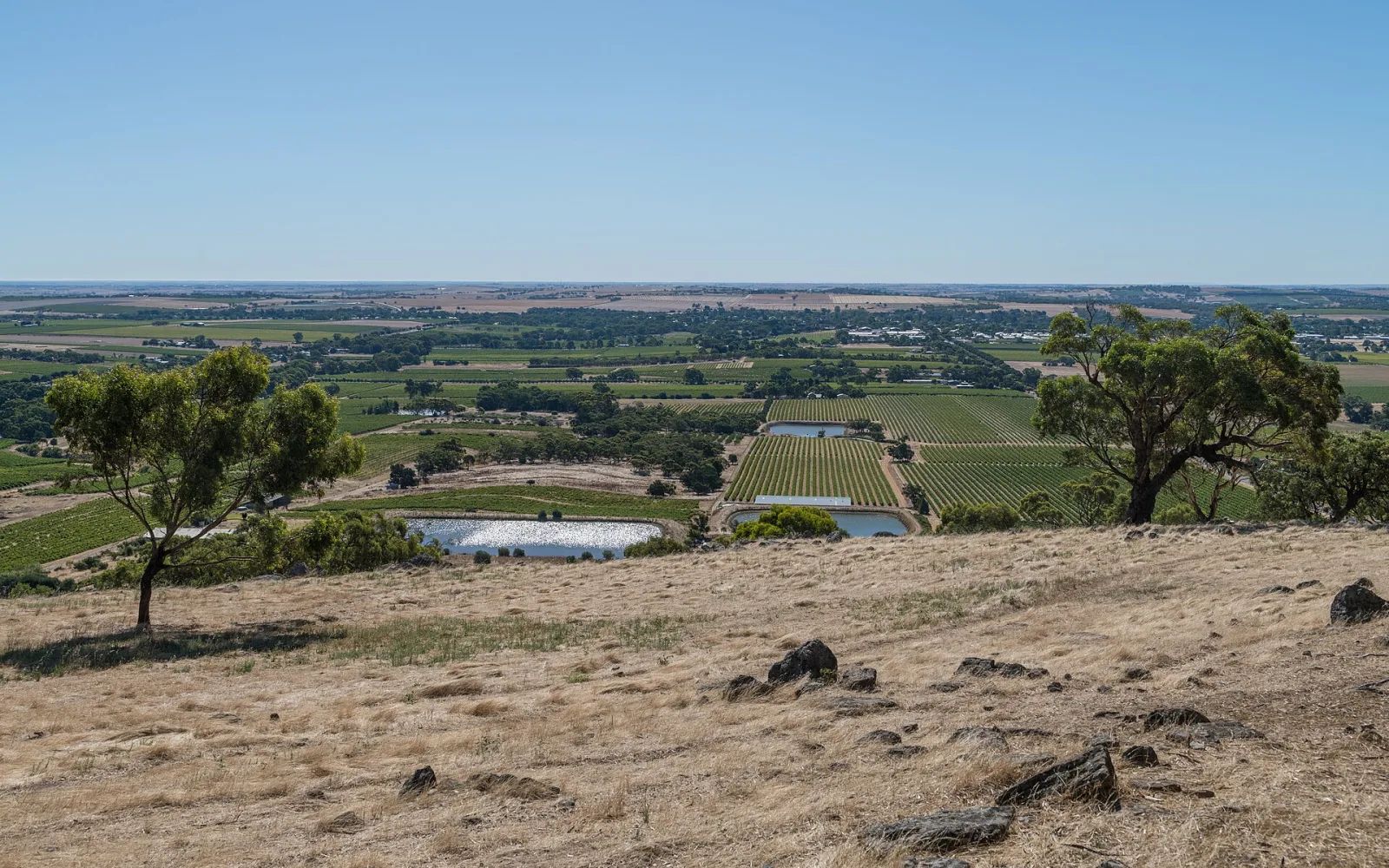
Barossa Valley
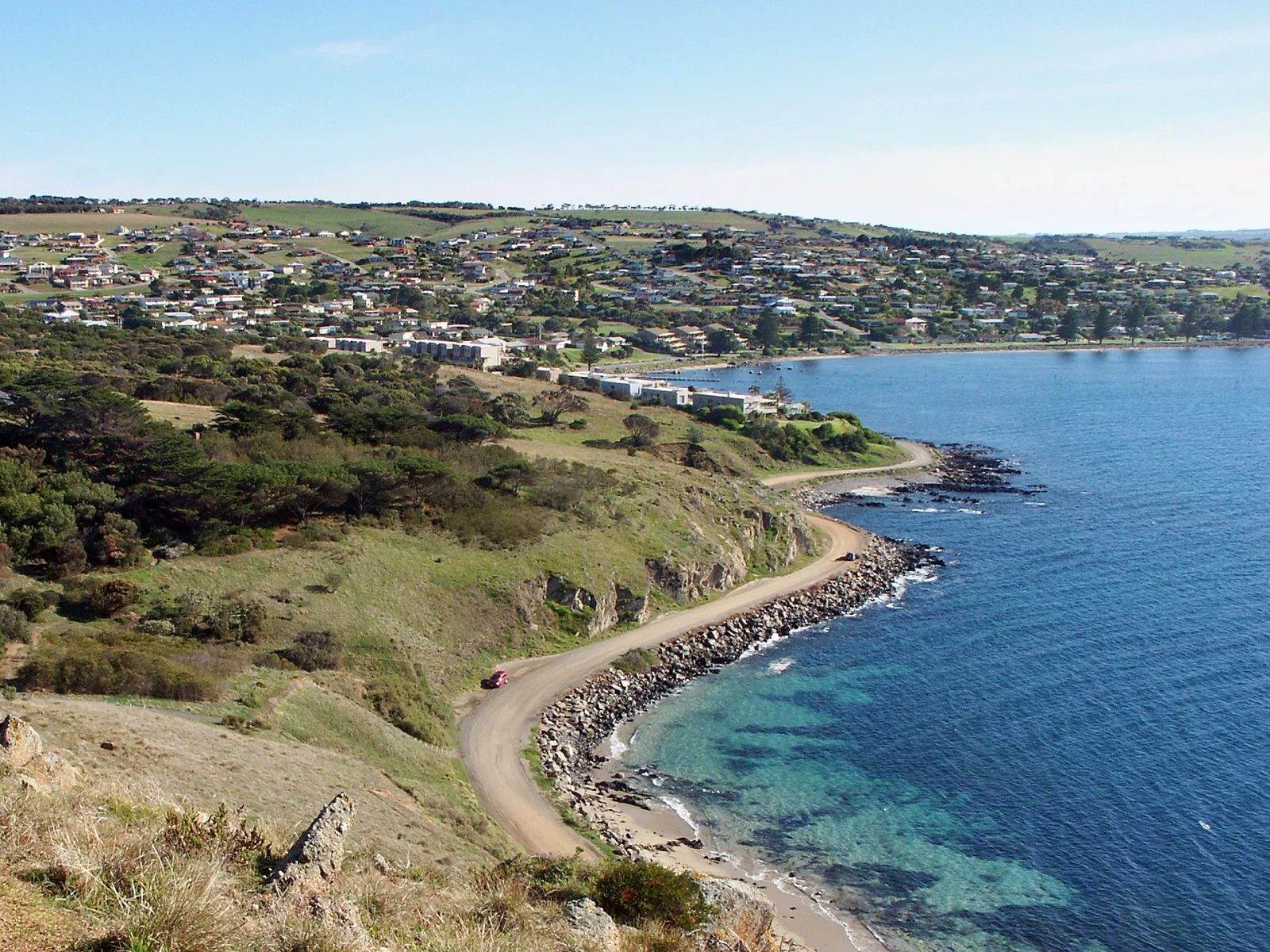
Victor Harbor
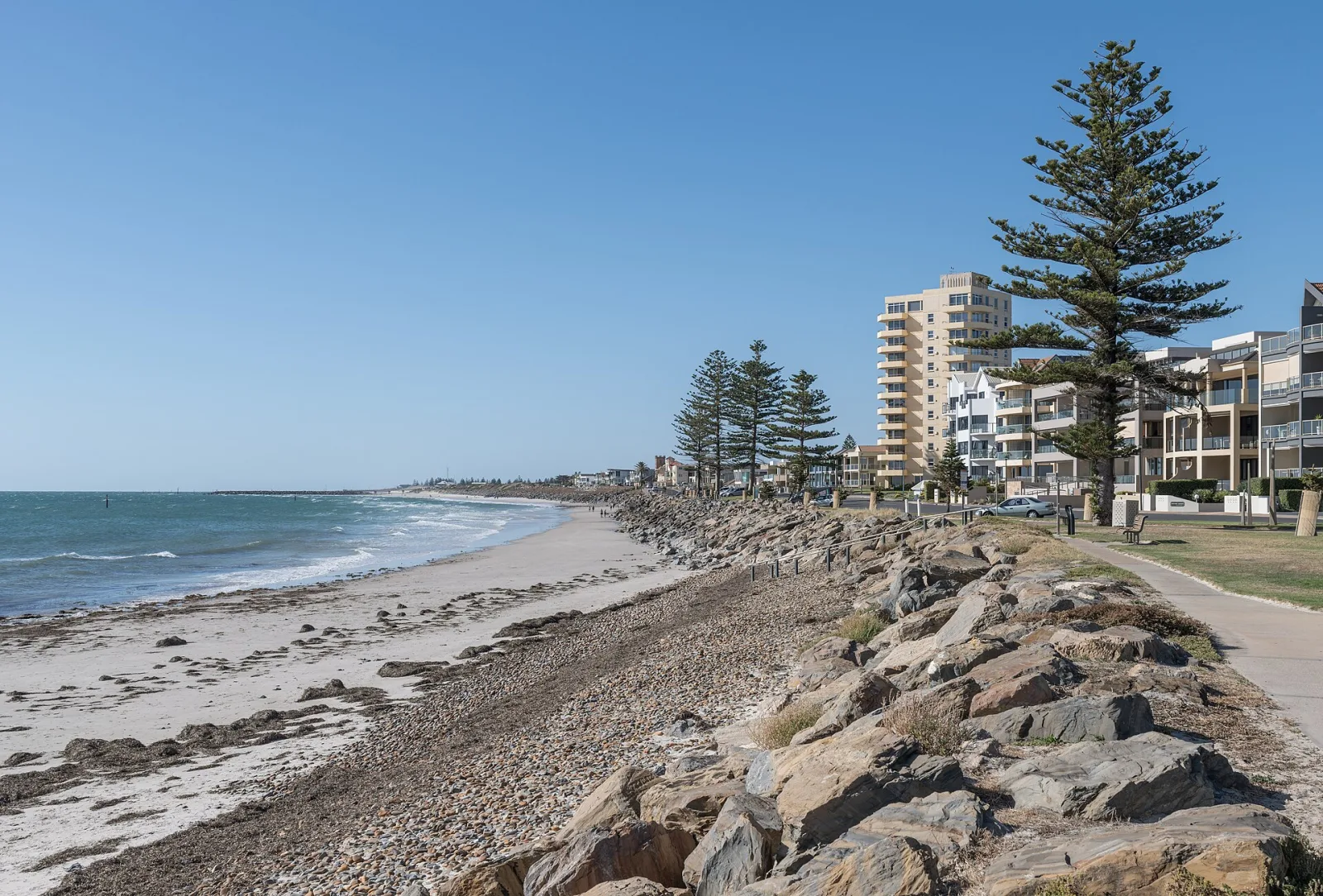
Glenelg

Annadale

Woodside
Attribution
Sources & credits
Content (1)
Images (2)
- Limestone Coast new banner.jpg · Kevin · CC BY-SA 3.0
- Naracoorte-cave.jpg · Kevin · CC BY-SA 3.0


Images sourced from Wikimedia Commons under licenses that permit commercial use. If you are the rights holder and believe an attribution is incorrect, please contact us.